LACP port channel and VPC port channel between IOS and NX-OS switch:
This is to demonstrate the creation of LACP and VPC to establish a multi-chassis port channel using VPC from Nexus switches and LACP EtherChannel from Cisco IOS switches on the counterpart.
Cisco VPC is a control plane technology that uses Ethernet links to synchronize the control plane; thereby, leveraging LACP and VPC, we can create a multi-chassis port channel on Cisco NX-OS Nexus switches.
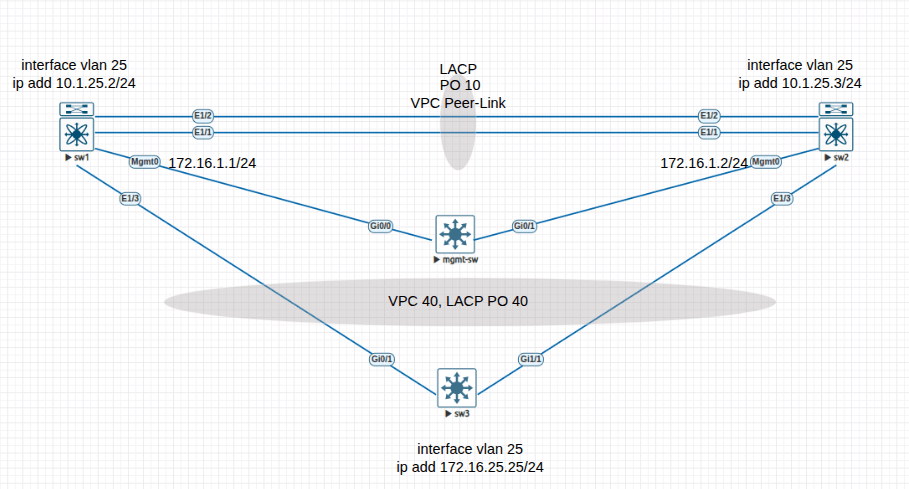
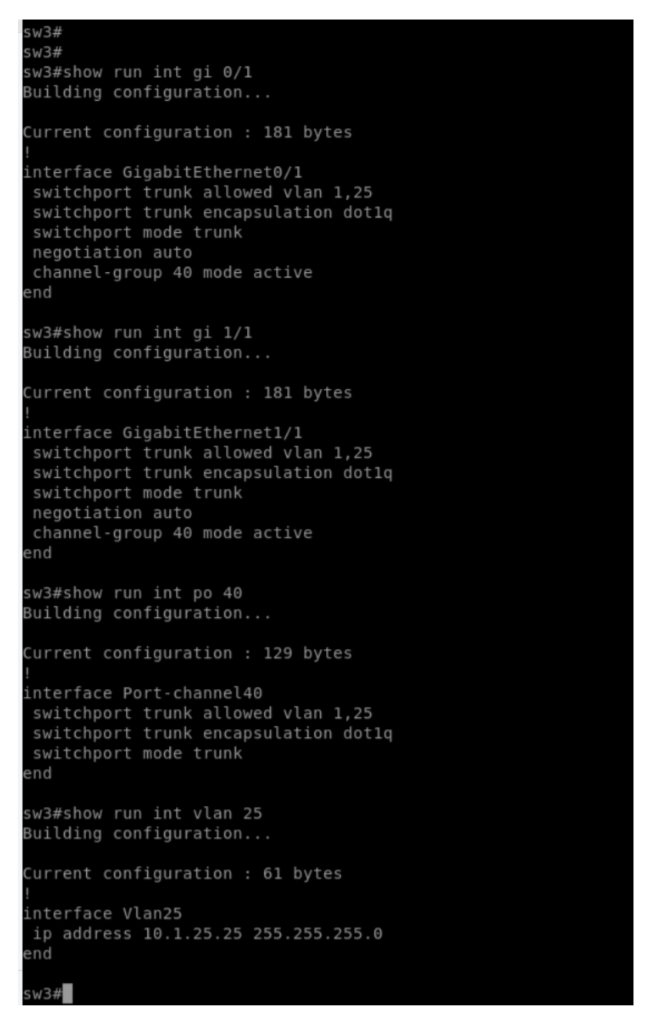
Creating LACP port channel:
The member interface and the port channel should be in the same mode, either trunk or access.
Then proceed with activating the port channel under member interfaces using the “channel-group <gr-no>” command and using LACP mode to form the port channel by setting it to “Active” on the CISCO IOS switch.
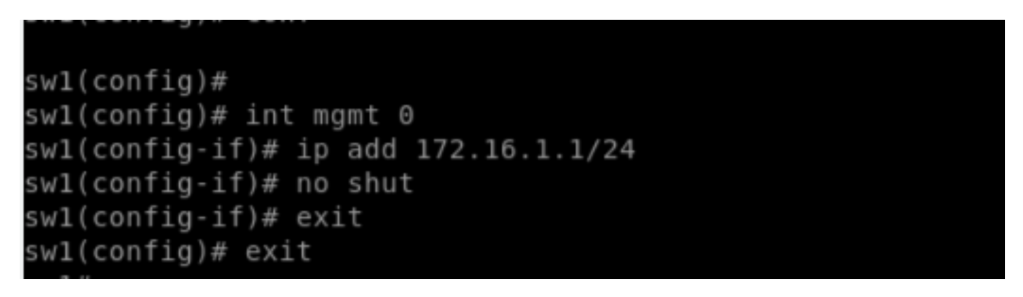
Interface mgmt0 config: We will be using mgmt0 interfaces from nexus switches to form VPC keep alive membership.
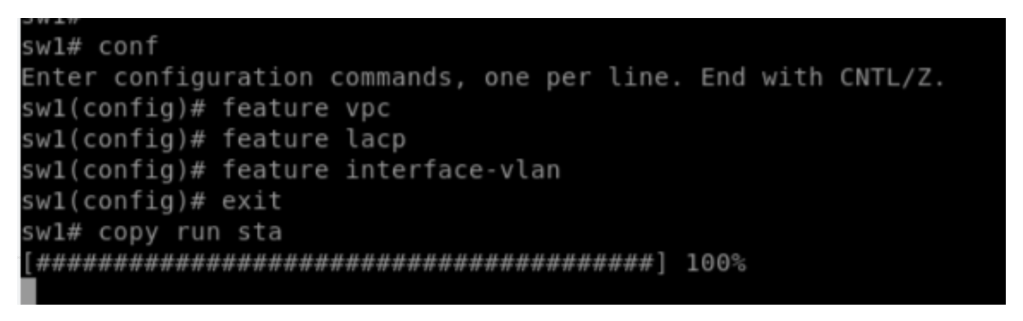
Activating feature LACP and VPC and interface-vlan:
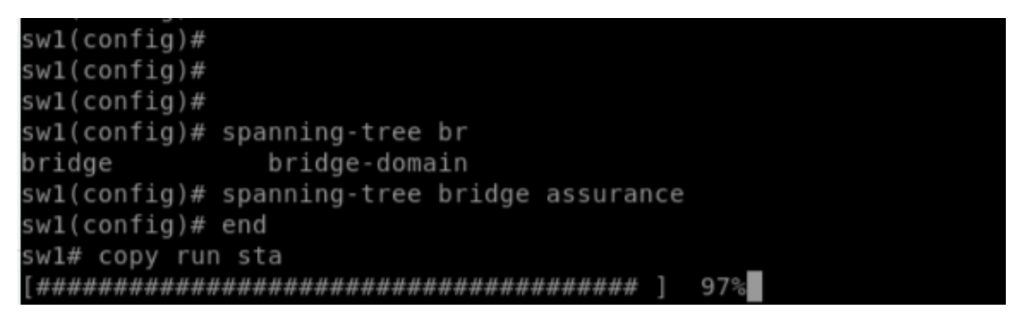
Activating bridge assurance, this enables sending BPDU on every interface to avoid L2 loop.
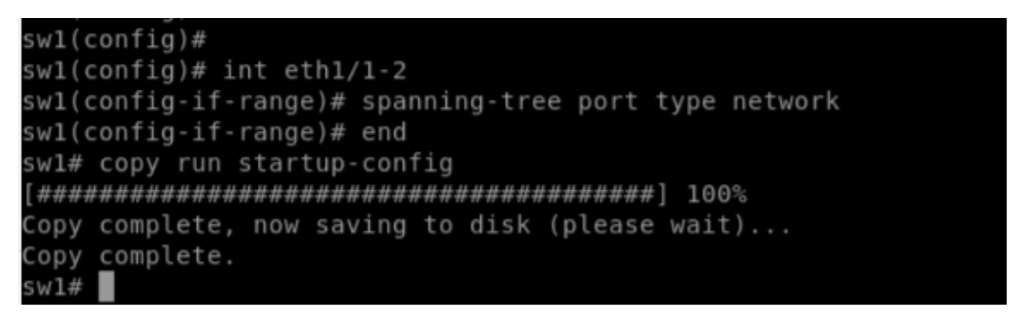
Activating spanning tree port type network on the other nexus switch connected interface
Activating VPC management domain, placing all the VPC peer switch connected interfaces in “spanning-tree port type network”, declaring a VPC peer switch under VPC domain and declaring port channel between the VPC peers as a VPC peer link.
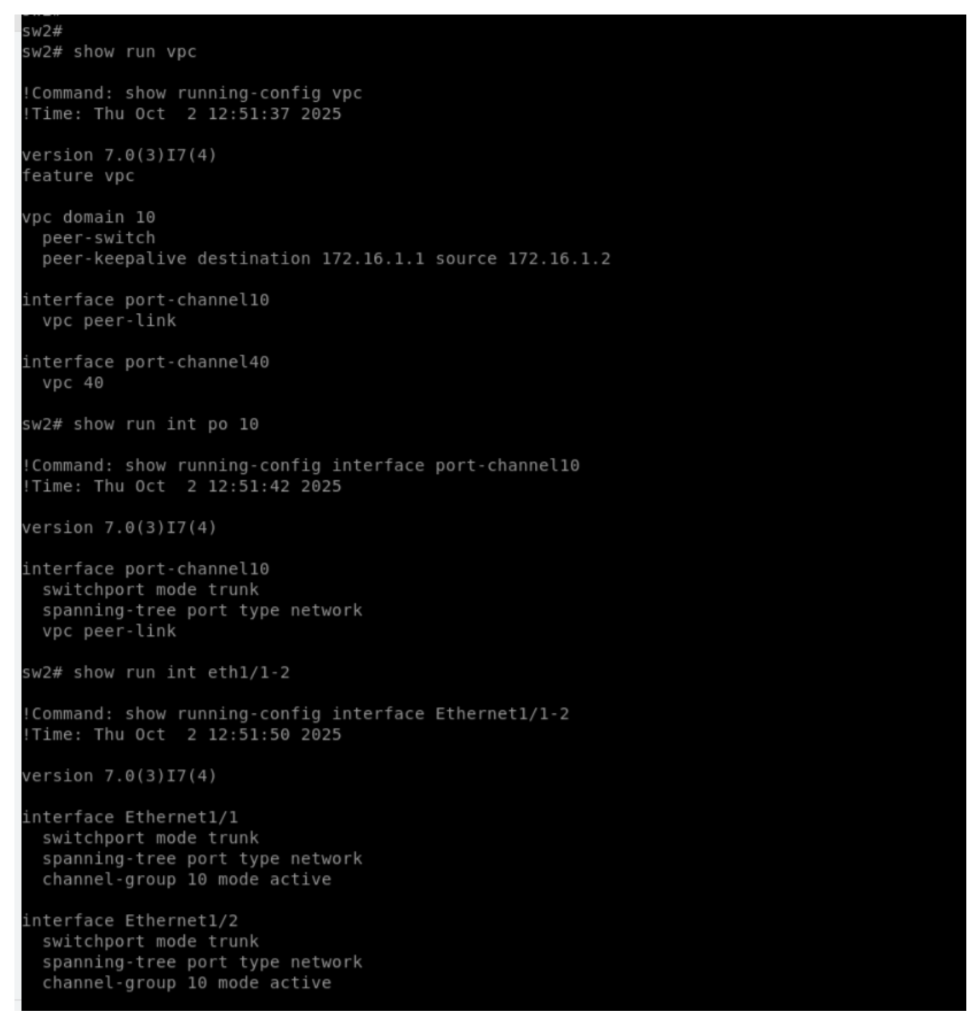
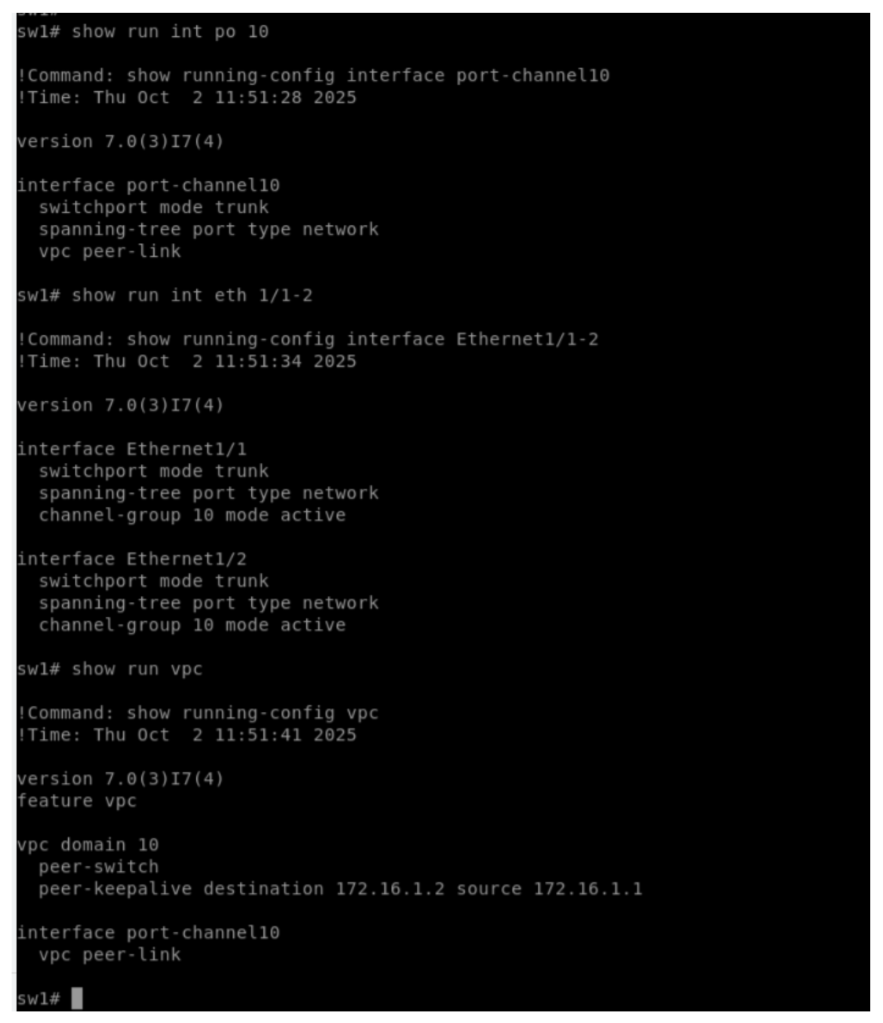
Checking VPC peer link status , keep alive reachability and VPC config consistency and check if VPC port channel is up.
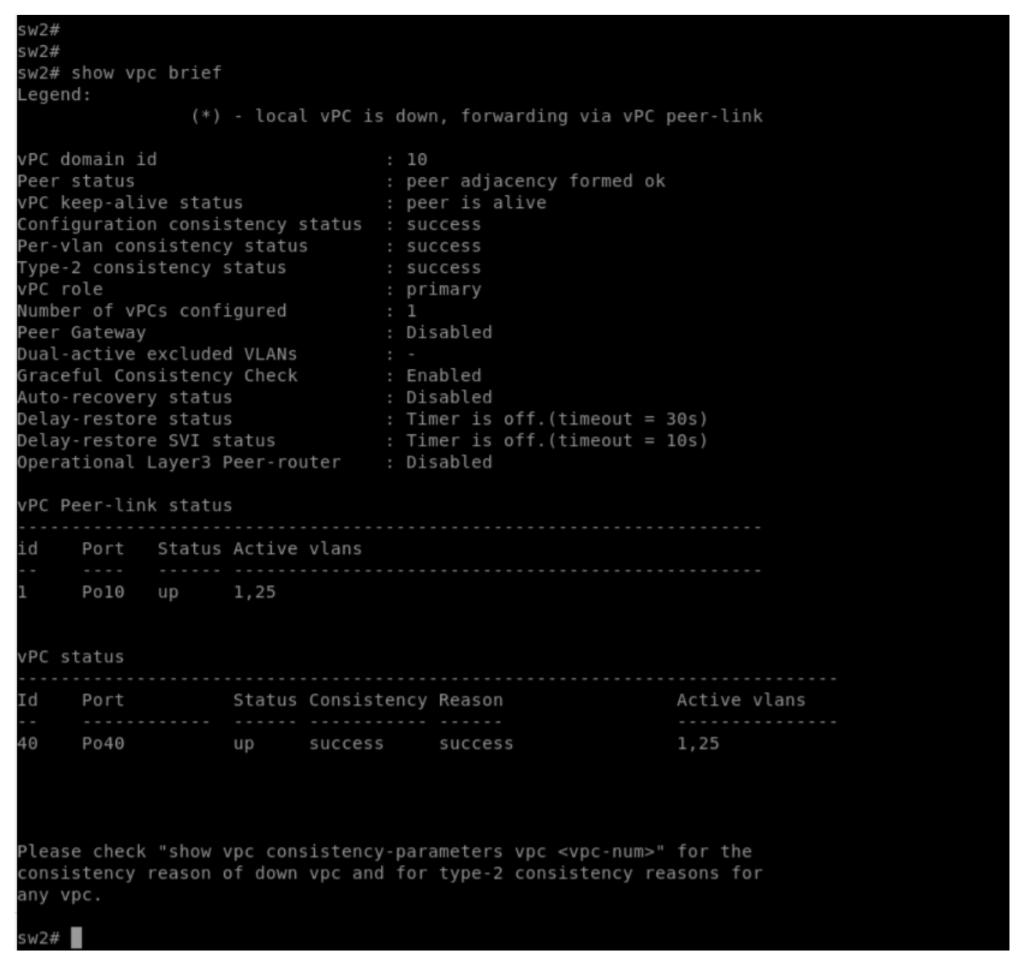
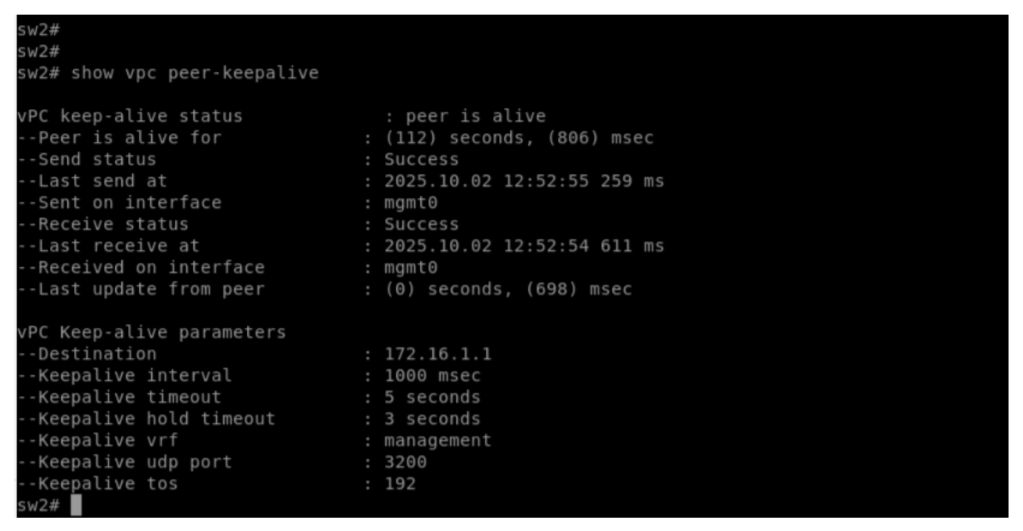
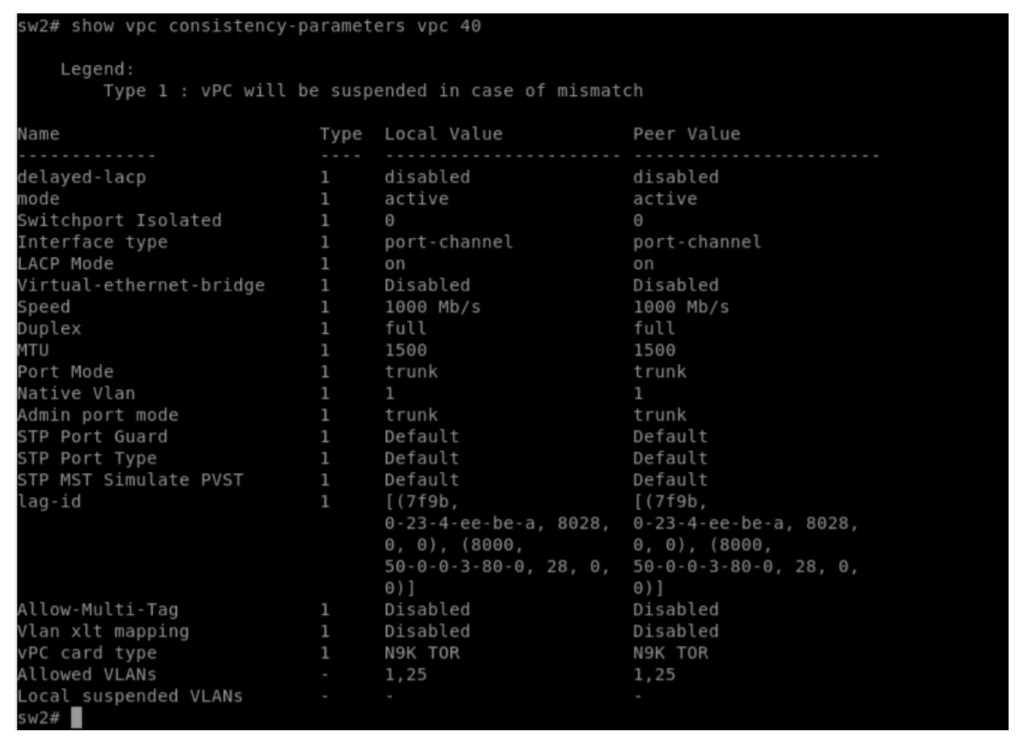
If there is any inconsistency in config, like any member link or any VLAN is missing from any peer link, it will report inconsistency under this diagnostic command.
Enabling interface VLAN and creating VLAN, creating VPC port channel 40 and enabling LACP port channel 40 on the interfaces connecting to other end switch.
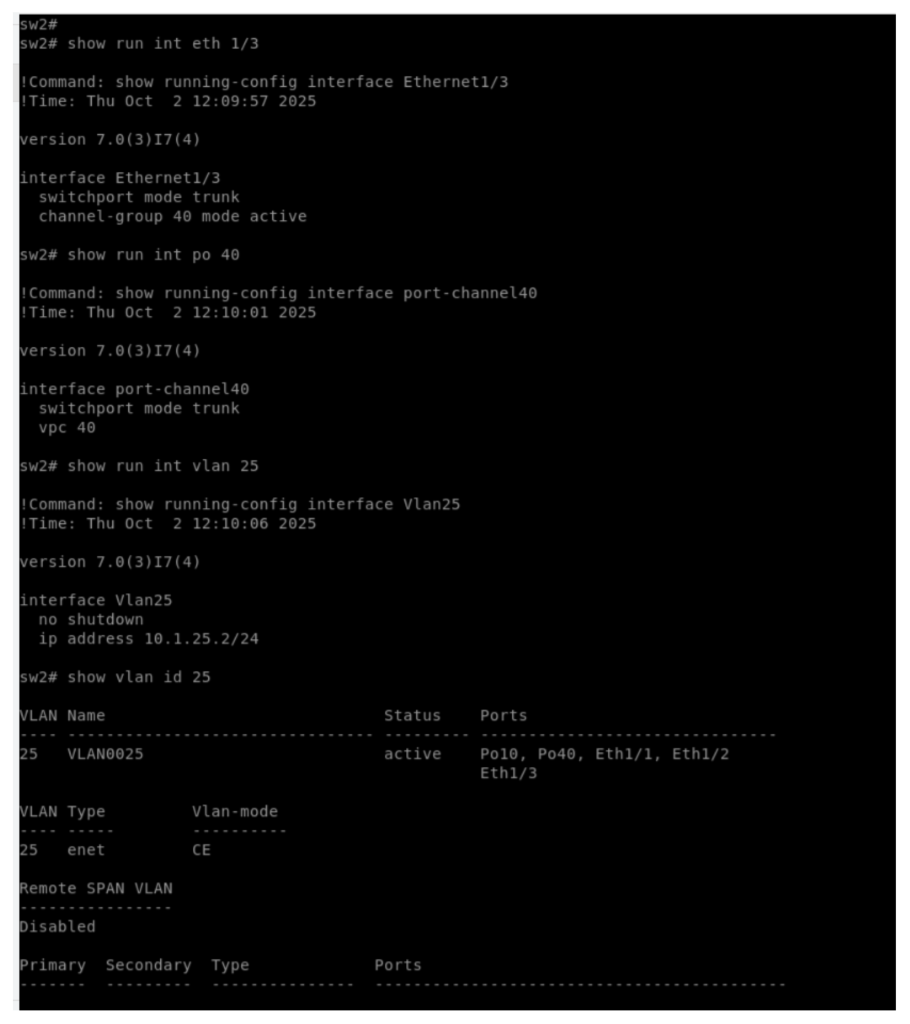
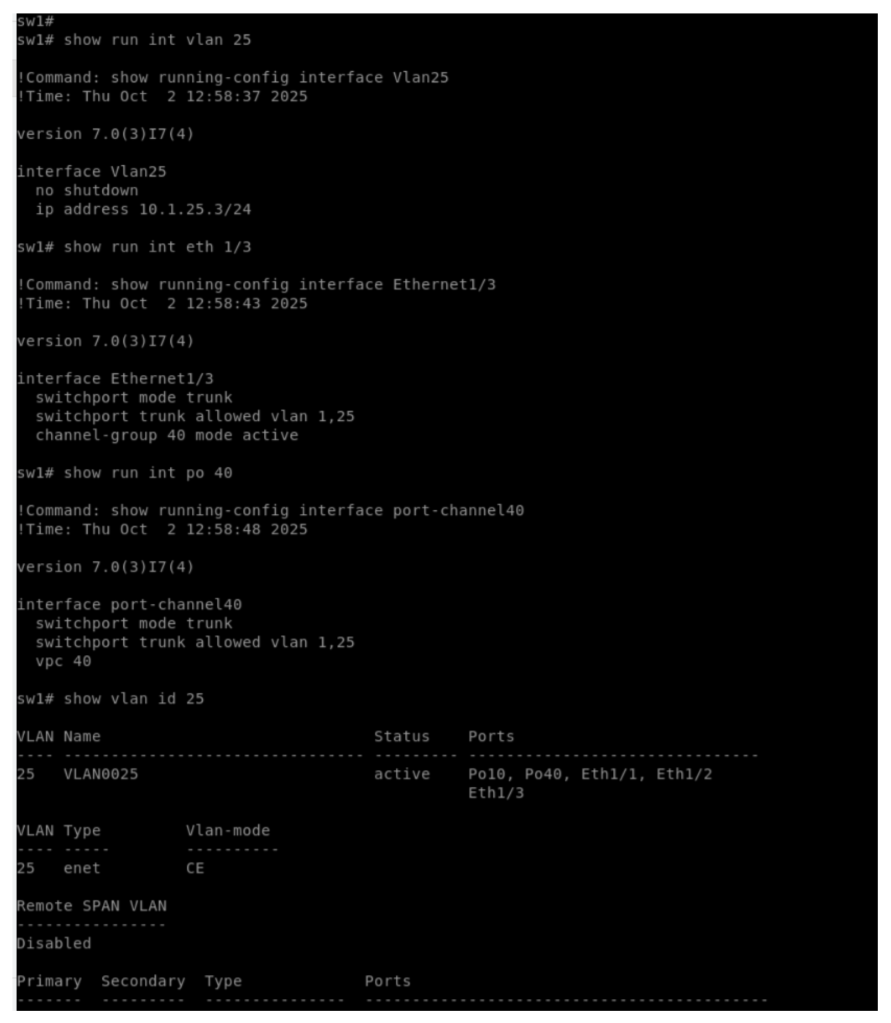
Final verification
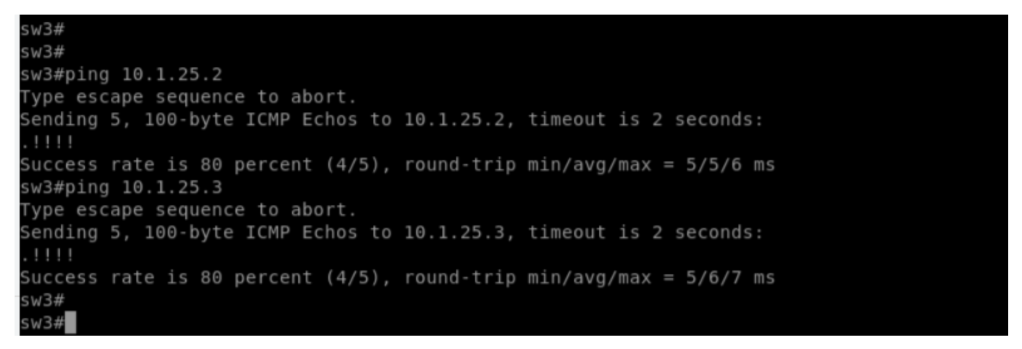
Leveraging VPC on CISCO Nexus switches empowers you to build a highly available and resilient network by introducing device and port redundancy, while enabling seamless load balancing. This strategic approach maximizes the efficiency of by accommodating more data bandwidth as it eliminates the need for spanning tree protocol (STP) by facilitating the integration of multiple switches into a unified multi-chassis ether-channel, unlocking unparalleled network performance and reliability.
 Network Implementation In Shorts